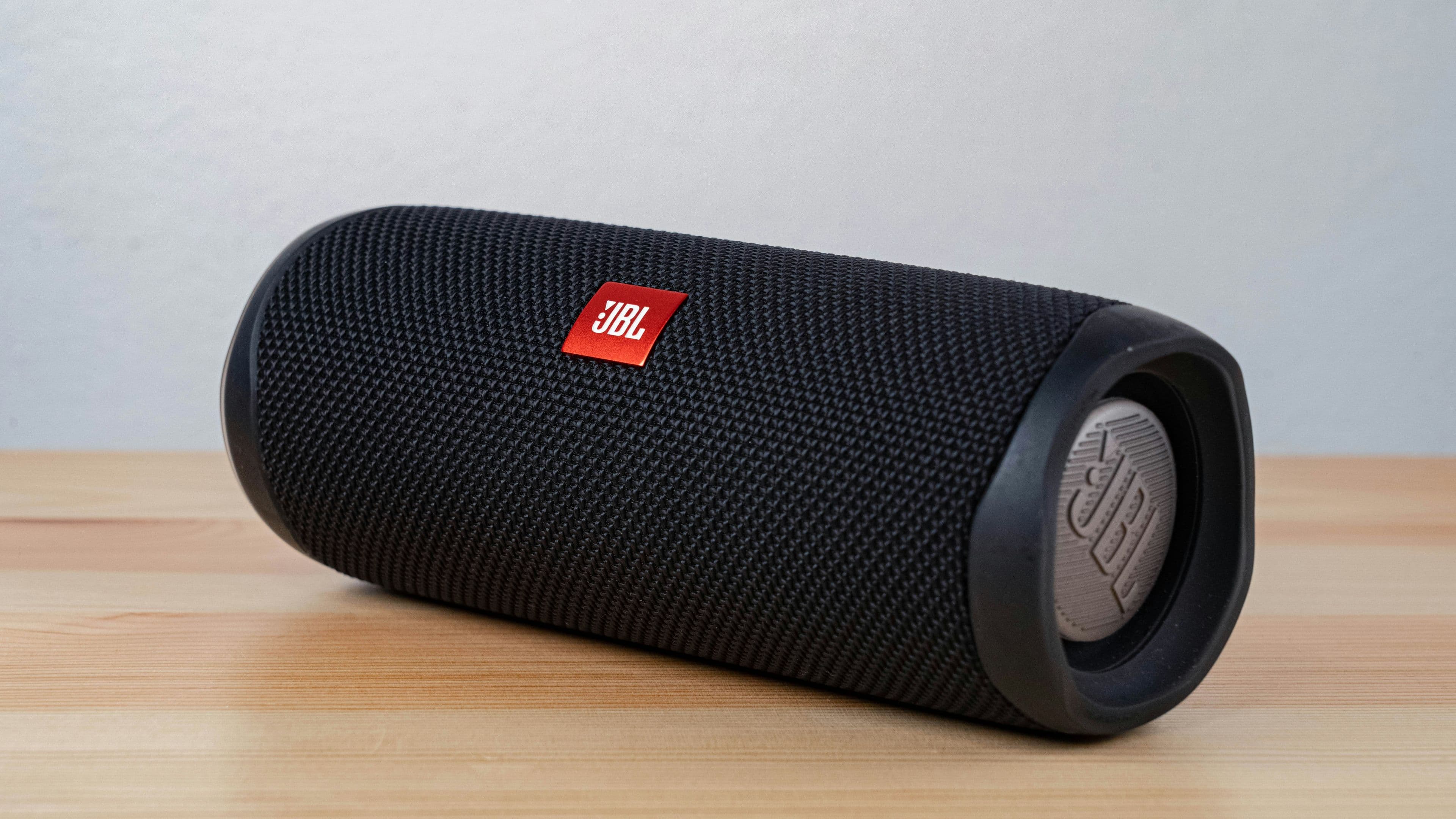
Budget Bluetooth speaker listings love big, bold wattage claims — '60W', '100W' — on speakers clearly too small to produce that much clean output. These numbers are frequently peak output under ideal test conditions, not the continuous power the speaker actually delivers. Here's what to look at instead.
Better indicators than the wattage number
- Speaker physical size — larger drivers generally produce fuller sound, all else being equal
- IPX rating if you want it for outdoor use or around water
- Battery life claims (verify against reviews, since these are also often optimistic)
- Whether it supports pairing two speakers together for stereo sound
A realistic price-to-feature comparison
| Price band | Realistic expectation |
|---|---|
| Under $15 | Fine for a single room at low-to-moderate volume; bass will be minimal |
| $15–30 | Noticeably better bass and volume headroom, usually decent battery life |
| $30–50 | Often includes better water resistance, dual-pairing, and clearer mids at higher volume |
Where to use caution
Speakers claiming 'party mode' or 'bass boost' features sometimes achieve that boosted bass by sacrificing clarity at higher volumes, resulting in distortion. If you can, listen to a demo unit in-store before buying, especially at higher volumes where cheap drivers tend to distort first.
💡 Anesu's tip
Charge a new Bluetooth speaker fully before first use and let the battery run down naturally at least once — this helps the battery gauge calibrate accurately for future charge estimates.
Total cost of ownership
| Factor | What to expect |
|---|---|
| Typical price band | $10–$50 |
| Realistic lifespan | 1.5–3 years of regular use |
| Hidden costs | A replacement charging cable, and possibly a second speaker if you decide you want stereo pairing later |
Pre-purchase checklist
- 1.Ignore the wattage number printed on the box entirely
- 2.Compare physical driver size across listings as a better proxy for sound quality
- 3.Check the IPX rating if it's headed outdoors or near water
- 4.Look for reviews specifically mentioning distortion at higher volumes
Related reading
Our take
Ignore the wattage number on the box entirely. Focus on speaker size, verified battery life from reviews, and water resistance if relevant to how you'll actually use it.