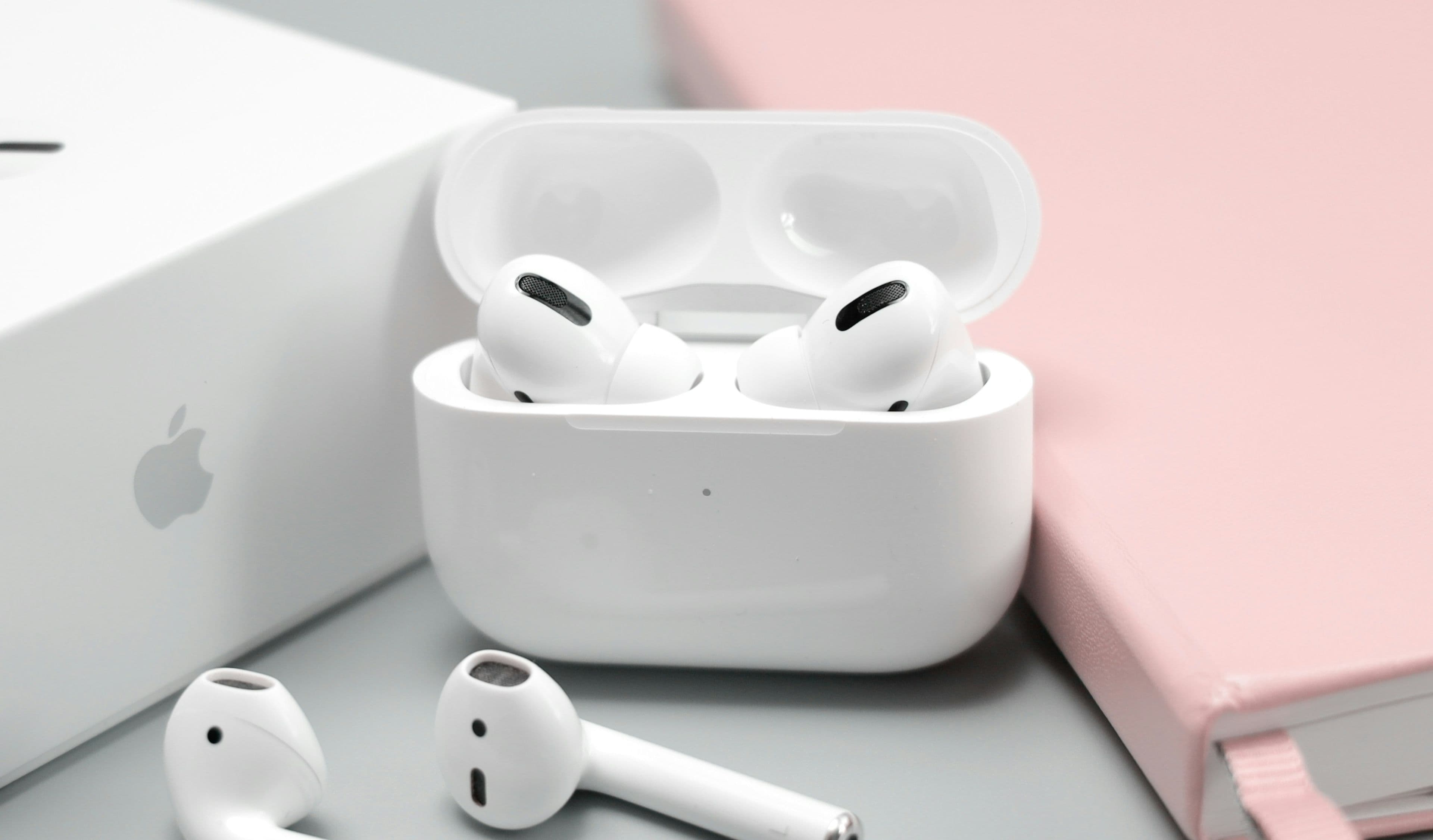
The under-$30 wireless earbud market is flooded with near-identical-looking pairs sold under dozens of different brand names, often from the same handful of factories. That doesn't mean they're all equal — small differences in the chipset and battery inside change how they perform in daily use.
The four things that separate good budget earbuds from bad ones
- Bluetooth version (5.0 or higher gives noticeably more stable connection and better battery efficiency than 4.x)
- Stated battery life per charge — anything under 4 hours will frustrate you on a full work or school day
- IPX rating for sweat/rain resistance, important if you'll wear them commuting or exercising
- Charging case battery capacity, which determines how many extra full charges you get away from a wall socket
A realistic look at trade-offs by price band
| Price band | What improves | What's still limited |
|---|---|---|
| $10–15 | Basic stereo sound, touch controls | Weak bass, short single-charge battery life, unreliable connection at distance |
| $15–25 | More stable Bluetooth 5.x, better case battery | Still limited noise isolation, average call-mic quality |
| $25–30 | Noticeably better mic clarity for calls, sometimes basic passive noise isolation | True active noise cancelling is still rare below $30 |
Buying tips specific to local shopping
Ask the seller directly whether the earbuds have a warranty and how returns work — at this price point, sellers often skip mentioning it unless asked. If ordering through a diaspora relative shipping locally, confirm the charging case uses USB-C, since older micro-USB cases are becoming harder to find replacement cables for.
Common regrets buyers report
- 1.Buying based on the box design alone without checking Bluetooth version
- 2.Not testing the fit in-store — poor-fitting buds fall out during exercise and commuting
- 3.Assuming 'noise cancelling' printed on the box means active noise cancellation, when it usually just means passive ear-tip isolation
💡 Anesu's tip
If a listing doesn't state the Bluetooth version anywhere, assume it's an older, less efficient chipset and price your expectations accordingly.
Total cost of ownership
| Factor | What to expect |
|---|---|
| Typical price band | $10–$30 |
| Realistic lifespan | 12–18 months of daily use before battery life noticeably shortens |
| Hidden costs | Replacement ear tips and, eventually, a replacement charging cable — factor in a small ongoing cost rather than treating it as a one-time purchase |
Pre-purchase checklist
- 1.Confirm the Bluetooth version stated in the listing
- 2.Test the fit in person if at all possible — a poor fit is the top cause of buyer's regret
- 3.Check the IPX rating if you'll wear them exercising or commuting in the rain
- 4.Ask about warranty or return terms before paying
Related reading
Our take
At under $30, prioritize Bluetooth version and stated battery life over brand name or box design — those two specs predict your daily experience far better than anything else on the packaging.