Under $200 is where most first-time smartphone buyers and second-phone shoppers in Zimbabwe actually spend. It's also where the gap between spec-sheet marketing and real daily performance is widest. This guide focuses on what to check before you buy, not a single 'best phone' pick, because stock and pricing shift constantly across local resellers and cross-border sellers.
The specs that matter more than you'd think
- RAM: 4GB is the realistic minimum for smooth WhatsApp, banking apps, and social media in 2026
- Storage: 64GB minimum if you take photos regularly — expandable microSD support is a big plus at this price point
- Battery capacity: look for 5,000mAh or higher; smaller batteries struggle with load-shedding days when you can't top up
- Network bands: confirm the phone supports the 4G bands used by your network (Econet, NetOne, Telecel) before buying
- Software update history: budget brands vary wildly in how long they support a phone with security patches
What you should NOT expect at this price
Flagship camera performance, fast wireless charging, premium build materials, and top-tier gaming performance are simply not realistic under $200. Marketing copy that claims otherwise ('flagship-killer', 'pro camera system') is a signal to read the actual spec sheet carefully rather than the headline.
New vs refurbished vs local-brand: a quick comparison
| Option | Pros | Watch out for |
|---|---|---|
| New budget brand (Itel, Tecno, Infinix entry models) | Warranty, predictable specs, easy local support | Lower resale value, sometimes bloatware-heavy software |
| Refurbished mid-range (older Samsung/Huawei) | Better build quality and camera than new budget phones at the same price | Battery health varies — always ask for a battery health percentage |
| Grey-market import | Sometimes cheaper | No local warranty, network band mismatches are common |
Questions to ask before you pay
- 1.Does it come with a local warranty, or only a manufacturer warranty that requires shipping it back?
- 2.What is the exact RAM and storage — some listings advertise 'expandable to 128GB' in a way that implies more base storage than it actually has
- 3.Can I test the SIM and data connection in-store before paying in full?
- 4.Is the battery removable or, if not, what's the manufacturer's stated cycle life?
💡 Anesu's tip
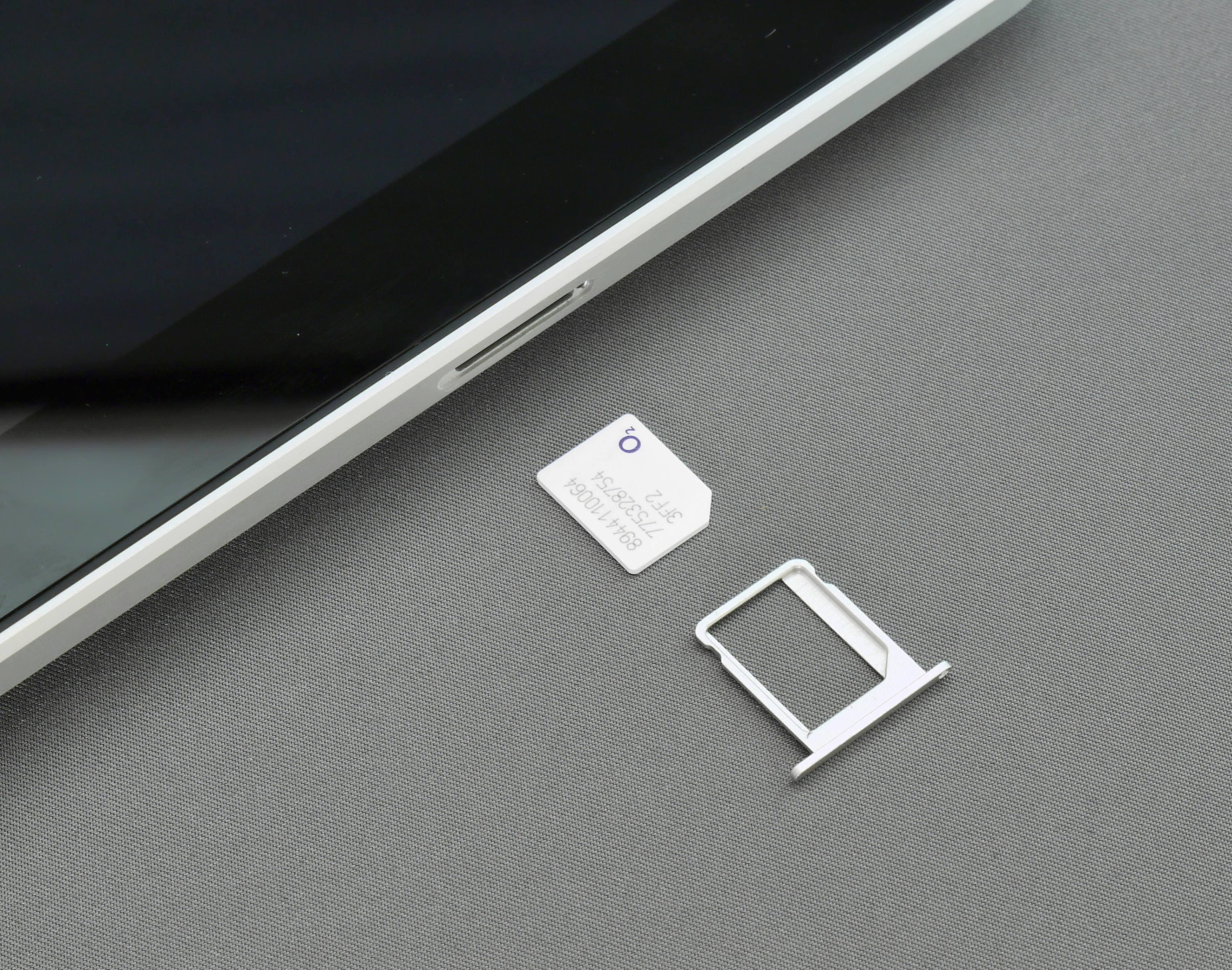
Always insert your own SIM and load a webpage before finalizing a cash purchase — this instantly confirms the phone isn't network-locked or missing bands your carrier needs.
Total cost of ownership
| Factor | What to expect |
|---|---|
| Typical price band | $80–$200 for a genuinely usable new or refurbished device |
| Realistic lifespan | 2–3 years of daily use before performance or battery life becomes frustrating |
| Hidden costs | A protective case and screen protector (budget phones often ship without either), plus data bundle costs that don't change based on how much you paid for the phone |
Pre-purchase checklist
- 1.Get the exact RAM and storage figures in writing, not just 'expandable to' language
- 2.Insert your own SIM and browse a page before paying
- 3.Confirm the phone supports your carrier's 4G bands
- 4.Ask what warranty exists and how a claim would actually work
Related reading
Our take
At this price tier, buy for battery life and RAM first, camera quality last. A phone that lasts through a full day of load-shedding and doesn't lag when you switch between WhatsApp and a banking app will serve you better day-to-day than one with a slightly sharper camera.