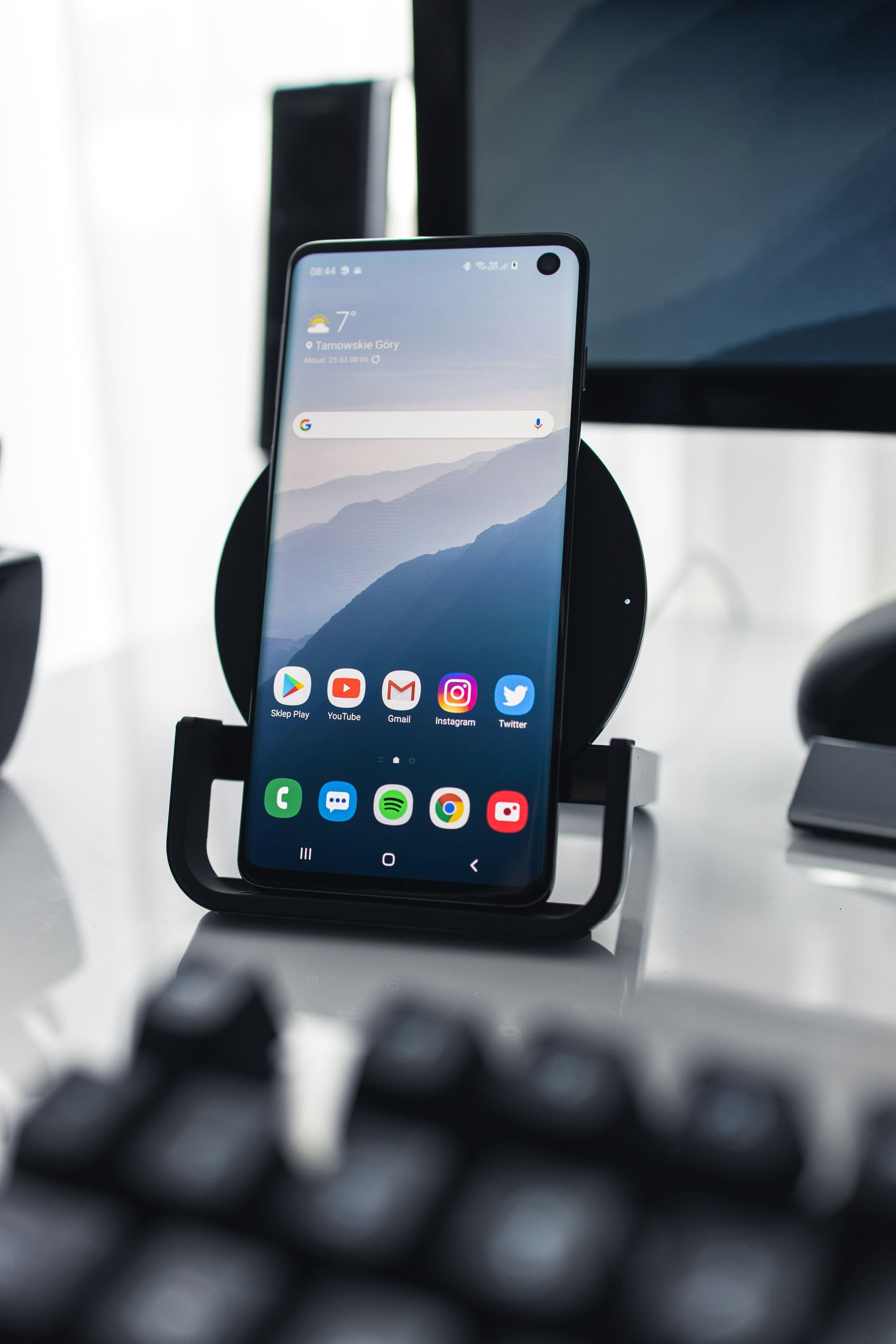
For the many Zimbabweans who travel regularly to South Africa for work, family, or business, a dual-SIM phone is genuinely useful — but not every dual-SIM phone is set up the same way, and the differences matter for cross-border use.
Dual-SIM vs dual-SIM-with-microSD: know the difference
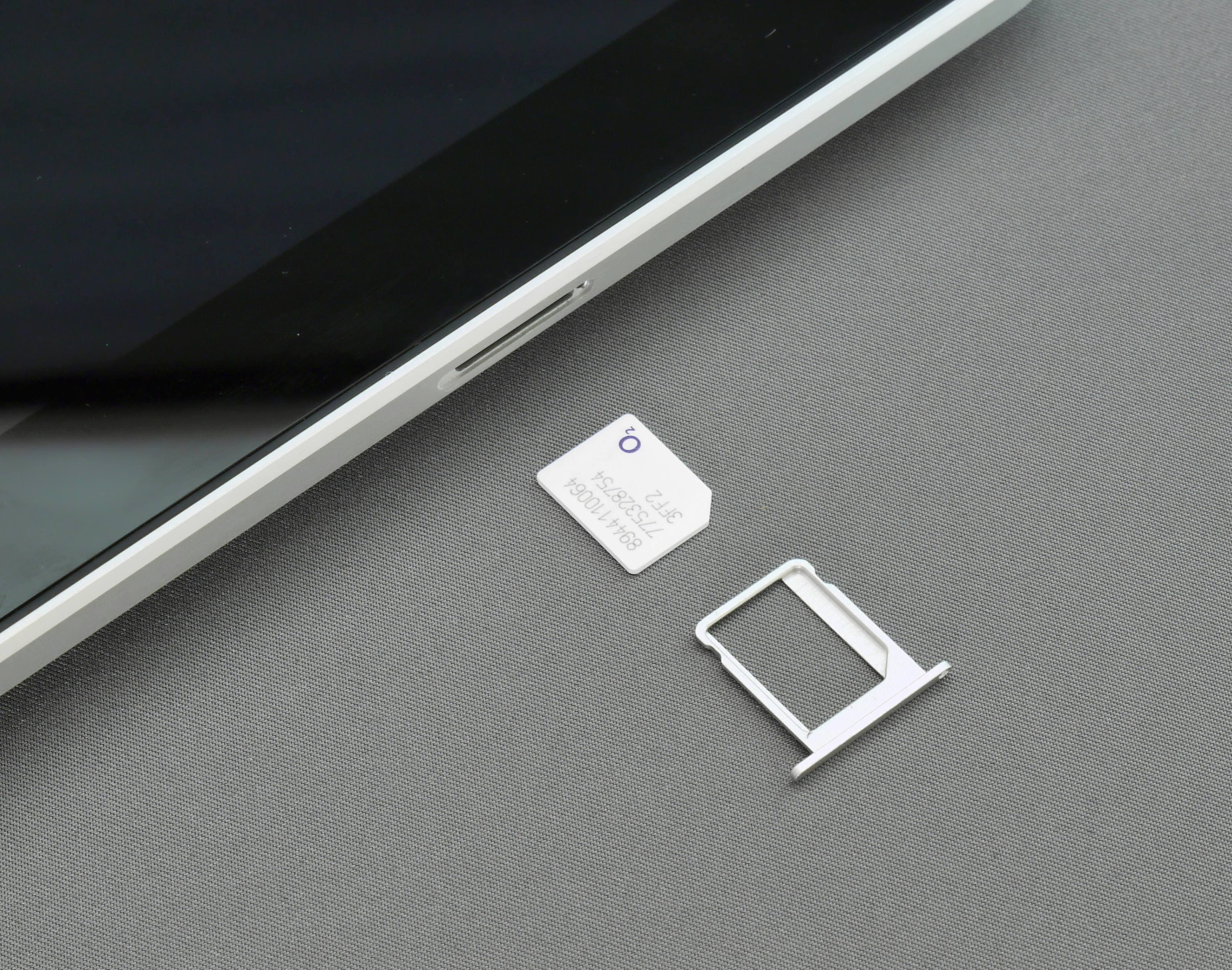
Some budget phones marketed as 'dual-SIM' actually use a hybrid slot, where the second SIM slot doubles as the microSD storage expansion slot — meaning you can have two SIMs OR one SIM plus extra storage, not both at once. If you need expandable storage and two active SIMs simultaneously, confirm the phone has a dedicated triple-slot tray.
Network band compatibility across the border
- Confirm the phone supports the 4G/LTE bands used by both Econet/NetOne/Telecel in Zimbabwe and Vodacom/MTN/Cell C in South Africa
- Check whether both SIM slots support 4G simultaneously (Dual SIM Dual Active/DSDA) or if only one slot gets 4G while the other drops to 2G/3G calls-only (Dual SIM Dual Standby)
- If you rely on mobile data on both networks at once, DSDA support is worth specifically confirming before buying
Roaming vs local SIM: a quick cost comparison
| Approach | Pros | Cons |
|---|---|---|
| International roaming on one SIM | No need to swap SIMs | Often significantly more expensive per MB and per call |
| Local SIM in each country (dual-SIM phone) | Local rates for calls and data in each country | Requires managing two active numbers and occasional top-ups on both |
Practical border-crossing tips
Keep your South African SIM registered under valid documentation (RICA registration is mandatory) well before travel, since registering at the border or last-minute can cause delays. Keep a small physical SIM ejector tool or paperclip in your bag — it's a tiny thing that causes real frustration when missing.
💡 Anesu's tip
Label your two SIM slots in your phone's settings (e.g., 'ZW - Econet' and 'SA - Vodacom') so you don't accidentally send an international SMS or make a costly cross-network call by selecting the wrong SIM.
Total cost of ownership
| Factor | What to expect |
|---|---|
| Typical price band | Similar to a standard budget or mid-range phone, $100–$300, since dual-SIM is a feature, not a separate product tier |
| Realistic lifespan | 2–3 years, matching other budget and mid-range phones |
| Hidden costs | Keeping two active SIMs means two sets of top-ups or contracts, plus RICA registration requirements to maintain on the South African side |
Pre-purchase checklist
- 1.Confirm whether it's DSDA (both SIMs get 4G) or DSDS (one drops to 2G/3G)
- 2.Check it's a true triple-slot tray if you also need microSD storage
- 3.Verify 4G band compatibility with both Zimbabwean and South African networks
- 4.Test both SIMs are active and working before you actually travel
Related reading
Our take
For frequent cross-border travelers, prioritize confirmed DSDA support and correct band compatibility over brand name — a phone that quietly drops one SIM to 2G will cost you more in frustration than it saves in upfront price.