If you've shopped for a solar power bank in Harare, Bulawayo, or online from a South African retailer, you've probably noticed the same thing I did: the marketing photos promise a lot, and the actual battery capacity printed in tiny text tells a very different story. A solar panel bolted onto a power bank does not automatically make it a good load-shedding companion. This guide breaks down what actually matters.
Why the solar panel is the least important part
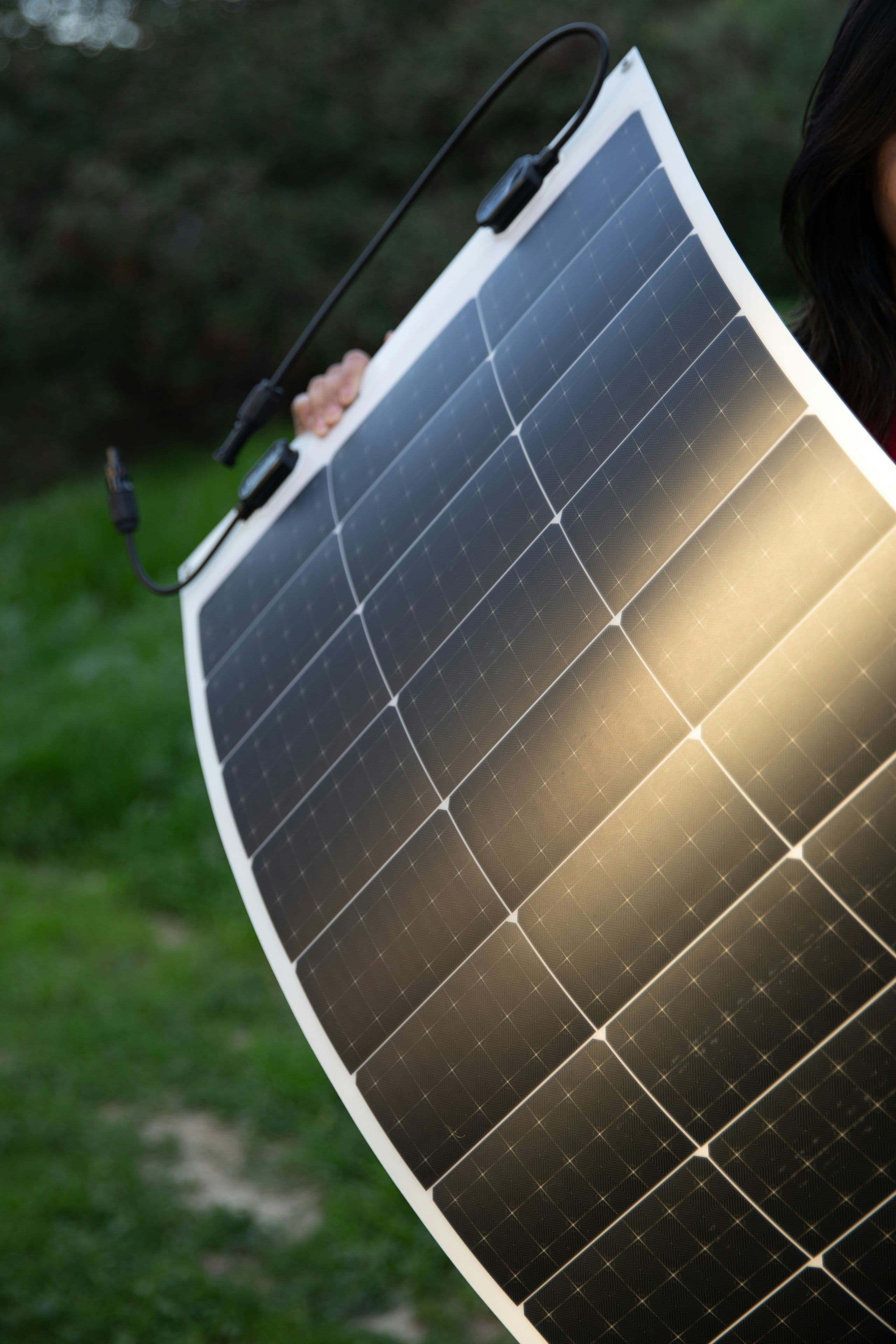
Here's the uncomfortable truth: the small solar panels built into most power banks are too small to fully charge the battery in a reasonable time. A typical 10,000mAh unit with an integrated panel can take two to three full days of direct, uninterrupted sunlight to charge from empty using the panel alone. That panel is a backup for emergencies, not your primary charging method. Your primary charging method should always be a wall socket during the hours you have grid power.
What actually matters when choosing one
- Real battery capacity (mAh) — check reviews, not just the box, since some brands print inflated numbers
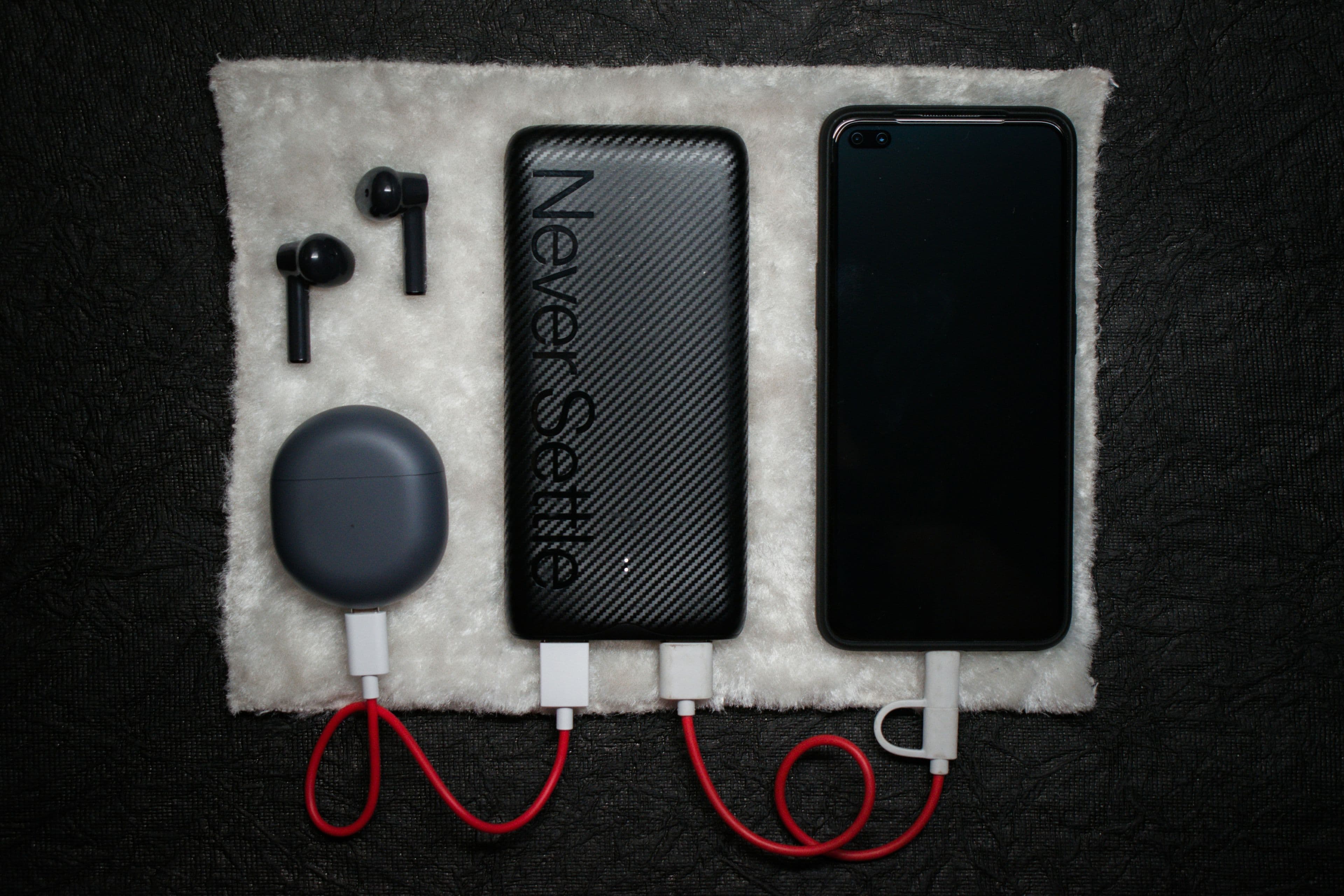
- Number and type of output ports (USB-C PD is worth paying extra for if you own newer phones)
- Pass-through charging (can it charge your phone while it's charging itself)
- Physical durability — a rubberized or ruggedized case matters if it's living in a car or a bag
- Input charging speed from a wall adapter, which determines how quickly you can top it up between outages
Capacity guide: match the power bank to your actual need
| Capacity | Realistic use case | What to expect |
|---|---|---|
| 5,000–10,000mAh | One to two phone charges | Good as a daily-carry backup, not built for multi-day outages |
| 20,000mAh | Phone + small tablet across a full day of load-shedding | The sweet spot for most households |
| 30,000mAh+ | Multiple devices, small LED lights, longer outages | Bulkier and heavier — better kept at home than in a bag |
Buying tips for Zimbabwe and the region
Prices for imported electronics fluctuate with the exchange rate, so compare in USD where possible rather than relying on a single ZWG price you saw once. If you're ordering through a cross-border courier or a Bulawayo-to-South Africa route, factor in an extra one to two weeks of transit time and ask the seller directly whether the unit ships with a UK, EU, or US plug — adapters add cost and one more thing to lose.
EcoCash and mobile-money buyers
A growing number of local electronics resellers accept EcoCash or InnBucks directly, which avoids the delays of bank transfers. If a seller only accepts cash on collection, meet in a public, well-lit space and test the unit — plug in a phone and confirm it actually charges — before handing over money.
Common mistakes buyers make
- 1.Buying based on the solar panel size instead of the battery capacity
- 2.Assuming a bigger mAh number always means longer real-world use — cheap cells lose capacity fast after a few hundred cycles
- 3.Leaving the power bank in direct sun for hours hoping it will fully charge, which mostly just heats up the battery
- 4.Not checking the input wattage, which determines how long a wall-socket top-up takes
💡 Anesu's tip
Charge your solar power bank from a wall socket the moment power returns. Treat the solar panel as a slow trickle-charge bonus, never your main charging plan.
Total cost of ownership
| Factor | What to expect |
|---|---|
| Typical price band | $15–$60 depending on capacity and build quality |
| Realistic lifespan | 1–2 years of daily load-shedding use before noticeable capacity loss (roughly 300–500 charge cycles) |
| Hidden costs | A replacement charging cable within the first year, and possibly a second unit if your household charges more devices than one bank can realistically cover |
Pre-purchase checklist
- 1.Cross-check the advertised mAh rating against independent reviews of the exact model, not just the seller's description
- 2.Confirm the input wattage so you know roughly how long a wall-socket top-up will take
- 3.Check the output port type — USB-C PD is worth the extra cost if your phone supports it
- 4.Ask directly whether there's a warranty and what it covers
Related reading
Our verdict
A solar power bank earns its place in your bag when you buy it for the battery capacity first and the solar panel second. If a listing leads with the panel and buries the mAh rating, that's usually a sign the battery isn't the star of the show.